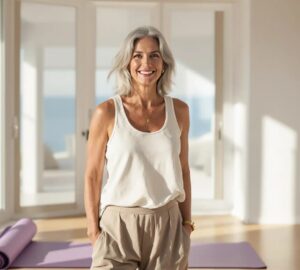





There is no single secret to longevity. There is no pill, shortcut or one-size-fits-all prescription. What science consistently tells us, however, is that a long and vital life is built on a handful of simple, sustainable habits practised with intention over time.
At a recent Wellnessing Getaway at Grand Velas Los Cabos, Dr. Robin Barrett spoke about the importance of taking preventative steps toward longevity. Her message reinforced a reassuring truth: meaningful change does not require a personal trainer, a private chef or a luxury wellness retreat. It begins with making informed, manageable choices and taking the first step.
Here, we explore seven foundational pillars of longevity that are practical, accessible and profoundly effective for anyone ready to invest in their most important asset: themselves.
 1. Strength

If there is one investment in your body that pays dividends for decades, it is muscle. After the age of 30, we naturally begin to lose lean muscle mass, a process called sarcopenia, and without deliberate effort, that loss accelerates with each passing year. The consequences go well beyond appearance. Muscle supports your joints, stabilizes your posture, regulates your metabolism, and quite literally keeps you upright and independent.
The prescription is simpler than you might think. Resistance training two to three times per week, whether with weights, resistance bands, or bodyweight exercises like squats and push-ups, is enough to meaningfully slow this decline and even reverse it. Studies continue to show that older adults who engage in regular strength training not only maintain greater physical function but also enjoy better bone density, improved insulin sensitivity, and sharper cognitive health.
You don’t need a gym membership or a complicated programme. Start with what you have, build gradually, and be consistent. Strength, it turns out, is something you can keep building at any age.
2. Balance

Balance is one of those qualities we tend to take for granted until we don’t have it. Yet the ability to stabilize your body is one of the most powerful predictors of health and independence in later life. Falls are among the leading causes of injury and loss of autonomy for older adults, and the good news is that balance is highly trainable.
Incorporating balance work into your daily routine doesn’t require special equipment or a great deal of time. Standing on one foot while brushing your teeth, walking heel-to-toe along a straight line, or practising a few minutes of tai chi each morning are all meaningful starting points. Yoga, in particular, offers a beautiful marriage of balance, strength, and mindfulness and has been shown to reduce fall risk while improving confidence and body awareness.
Think of balance not merely as a physical skill, but as a metaphor for the life you’re building: one that is steady, adaptable, and grounded, even when the world around you shifts.
3. Cardio

Your heart is the engine of everything, and keeping it strong and efficient is perhaps the most well-researched contributor to a longer life. Cardiovascular exercise, anything that raises your heart rate and keeps it elevated for a sustained period, reduces the risk of heart disease, stroke, type 2 diabetes, and certain cancers, while simultaneously improving mood, memory, and sleep quality.
The good news is that you don’t need to run marathons. The current consensus among longevity researchers points to 150 minutes of moderate-intensity cardio per week as the sweet spot, roughly 30 minutes, five days a week, at a pace where you can still hold a conversation but feel pleasantly breathless. A brisk walk along a coastal path, a cycling class, an early-morning swim, or even a lively dance session in your kitchen all count.
And if you enjoy travel, as so many of our readers do, consider how naturally movement weaves itself into exploration. Hiking a mountain trail, kayaking a calm inlet, or strolling through a new city for hours: these are not just experiences. They are, quietly and joyfully, cardio.
4. Mobility

Mobility is the quality of movement that allows you to live freely in your body, to reach, bend, turn, and carry with ease and without pain. It is distinct from flexibility (the passive range of a muscle) in that it requires both range and control: the ability to move through your full range of motion deliberately and with strength.
As we age, joints stiffen, fascia tightens, and the simple mechanics of daily life, putting on shoes, looking over a shoulder while driving, getting up from the floor, can become unexpectedly effortful. Regular mobility work counteracts this gracefully and progressively.
A daily 10- to 15-minute routine of gentle joint circles, hip-opening stretches, thoracic rotation, and dynamic movement is all it takes to maintain the suppleness your body deserves. Pilates, yoga, and dedicated stretching programmes are all wonderful complements to strength and cardio training. Consider mobility your body’s daily maintenance ritual, the equivalent of keeping a finely tuned instrument in playing condition. The more consistently you tend to it, the more beautifully it performs.
5. Sleep

If you could bottle the restorative power of a truly good night’s sleep, it would be the most effective health supplement ever discovered. During sleep, the brain consolidates memory, the body repairs tissue, hormones are regulated, the immune system strengthens, and inflammation decreases. Chronic sleep deprivation, by contrast, is associated with nearly every major age-related health concern: cardiovascular disease, cognitive decline, metabolic disorders, and diminished immune function.
Adults generally thrive on seven to nine hours of quality sleep per night, not just hours in bed, but genuinely restorative, uninterrupted rest. Building the conditions for good sleep is its own discipline: a cool, dark, quiet room; a consistent sleep and wake time even on weekends; limiting screens and stimulating content in the hour before bed; and winding down with something calming, a cup of herbal tea, a few pages of a good book, or a gentle evening walk.
If travel disrupts your sleep rhythm, prioritize re-establishing it quickly upon arrival. Many of the world’s finest wellness hotels now design their guest experience around restorative sleep, from blackout curtains and aromatherapy pillows to guided sleep meditations and magnesium-rich evening menus. That kind of attention to rest is not indulgence. It is wisdom.
6. Nutrition

Food is information. Every meal you eat sends signals to your cells, signals that either support longevity or quietly undermine it. The encouraging truth is that eating for a long, vibrant life is not about deprivation or dogma. It is about abundance: an abundance of whole, nourishing, predominantly plant-based foods that fuel your body with everything it needs to thrive.
The dietary patterns consistently associated with the longest-lived populations in the world, the Mediterranean diet and the eating habits of the Blue Zones, share remarkable common ground: generous amounts of vegetables, legumes, whole grains, nuts, and olive oil; moderate fish and fermented foods; and relatively little processed food, added sugar, or red meat. They also share a deeply social, unhurried, and pleasurable relationship with food.
Practically speaking: cook more than you eat out, eat more colour, add more fibre, stay well-hydrated, and approach food with curiosity rather than anxiety. And don’t overlook protein, particularly as you age, adequate protein intake is essential to preserve the muscle mass we discussed earlier. A registered dietitian or nutritionist can be an invaluable guide if you’re looking to fine-tune your approach.
7. Social

Of all seven pillars, this may be the one that surprises people most, and yet the evidence is among the most compelling in all of longevity research. Meaningful social connection is as powerful a predictor of a long life as exercise, and chronic loneliness is now recognized as a health risk comparable to smoking fifteen cigarettes a day.
We are, at our core, social creatures. Belonging to a community, whether family, friends, colleagues, a faith group, a fitness class, or a shared creative pursuit, provides us with purpose, emotional regulation, stress resilience, and a reason to take care of ourselves. Older adults with robust social lives consistently show lower rates of cognitive decline, depression, and premature mortality.
The prescription here is not about the quantity of relationships but their quality. Invest in a handful of deep, reciprocal connections. Show up consistently for the people who matter. Join something, a hiking group, a book club, a cooking class, that puts you in regular, warm contact with others who share your values. And travel, it turns out, is one of the great connectors: it opens us to new people, cultures, and perspectives, and reminds us that the world is full of kindred spirits waiting to be found.
A Final Word

Longevity is not a destination. It is a direction, a daily orientation toward the choices, habits, and relationships that help you live not just longer, but better. None of these seven pillars requires perfection. What they ask for is intention, consistency, and a genuine belief that your future self is worth investing in.
Start where you are. Build from there. And enjoy the journey, it’s a long and beautiful one.